
Epistolary Literature: Stories Told Through Letters
An epistolary story is told through a collection of documents instead of a regular story with chapters. Those documents might include:
Letters
Diary or journal entries
Newspaper articles
Emails or text messages (in modern stories)
Postcards
Telegrams
Notes
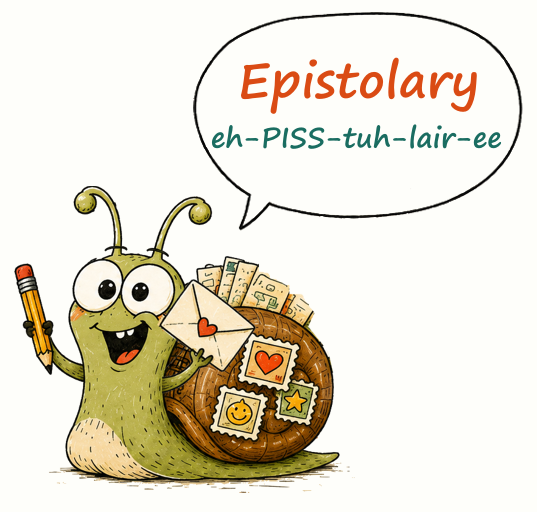
The word epistolary (eh-PISS-tuh-lair-ee) comes from the Greek word epistolē, which means letter.
Why Use Letters To Tell Stories?
Imagine reading a letter from an explorer who just discovered a hidden island. Then you find another letter from someone searching for that explorer. Every document gives you another piece of the puzzle.
Because you're reading the characters' own words, you get to know their thoughts, feelings, and personalities in a very personal way.
Sometimes different characters tell completely different versions of the same event. That means you have to decide what really happened!
Instead of someone telling you what happened, you discover the story by reading what the characters wrote themselves. It can feel like you're solving a mystery or peeking into someone's secret scrapbook!
Famous Books Told Through Letters
Some of the world's most famous books use this storytelling style.
Frankenstein by Mary Shelley
In the classic story, Frankenstein, an explorer named Robert Walton writes letters to his sister while sailing toward the North Pole. During his journey, he meets Victor Frankenstein, who tells him an unbelievable story about creating a living creature.
Walton writes down Victor's story in his letters, and along the way, the creature even shares his own version of events. The different letters and personal accounts let readers hear the story from several points of view.
Dracula by Bram Stoker
Instead of regular chapters, Dracula is told through letters, diary entries, newspaper articles, ship logs, and telegrams.
Each character records what they experience as strange events begin to unfold. Since no one character knows everything, readers slowly put together the mystery themselves. It feels almost like reading a real collection of historical documents.
The Color Purple by Alice Walker
This novel tells its story through letters written by a young woman named Celie. She writes about her life, her hopes, and the challenges she faces.
Because the story comes directly from Celie's letters, readers get to know her thoughts and emotions in a powerful and personal way.
The Perks of Being a Wallflower by Stephen Chbosky
This modern novel is written as a series of letters from a teenager named Charlie to an anonymous friend. Through his letters, readers learn about his experiences at school, making friends, and growing up.
The letter format makes Charlie's voice feel honest and real, almost like he's writing directly to you.
Write Your Own Epistolary Story
What if…..
Your family moves into an old house.
While exploring the attic, you discover a small wooden box.
Inside is a series of 6 letters written 100 years ago.
Who do you imagine wrote them? What do you imagine they reveal? What do you imagine can we learn about the writers of the letters ?